






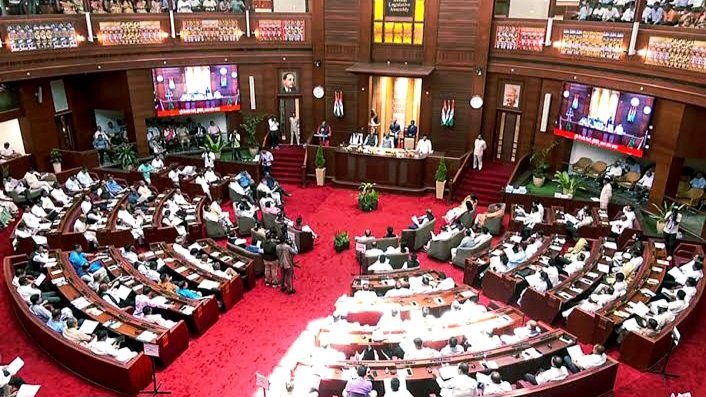
Guwahati: The Assam Government on Monday introduced the much-discussed Uniform Civil Code (UCC), Assam 2026 Bill in the Assam Legislative Assembly. The bill has triggered major political and social debate across the state.
The bill was introduced by senior minister and Parliamentary Affairs Minister Atul Bora on behalf of the government led by Chief Minister Himanta Biswa Sarma.
According to the government, the main aim of the proposed law is to create one common civil law for all citizens instead of different religion-based personal laws.
The bill includes new rules related to marriage, divorce, maintenance, inheritance, property rights, child marriage, polygamy and live-in relationships.
Under the proposed law, registration of all marriages will become mandatory in Assam. Couples will have to register their marriage within 60 days. Failure to register may create legal problems in future.
The bill fixes the legal marriage age at 21 years for men and 18 years for women. It also proposes a complete ban on polygamy or multiple marriages.
The draft UCC also proposes major changes in Muslim marriage laws. Muslim marriages will also need compulsory government registration. Only performing a “nikah” through a kazi will not be enough for legal recognition.
The bill also makes it clear that practices like instant triple talaq will not be recognised. The government said the law aims to ensure equal rights and better protection for women across all communities.
The proposed law allows marriages to be performed through different traditional and religious customs, including Vedic marriage, Ahom Choklong, Saptapadi, Ashirbad and Nikah.
The bill also introduces rules for live-in relationships. Couples in live-in relationships will have to register their relationship within one month. Children born from such relationships will be considered legally valid. A partner abandoned after a live-in relationship can also seek financial support through court.
The proposed law also includes strict punishments for violations. Polygamy may attract up to seven years imprisonment. Child marriage and forced marriage can also lead to jail terms and fines.
The bill proposes penalties for failing to register marriages or live-in relationships within the prescribed period. Submitting fake documents during registration may also lead to punishment.
The government said the proposed law is aimed at ensuring gender equality, legal transparency and protection of women’s rights.
However, several Muslim organisations and groups have opposed parts of the bill, calling it interference in religious personal laws. Supporters of the bill, on the other hand, described it as an important reform for equality and women’s justice.
The bill also states that Scheduled Tribes will remain outside the purview of the proposed UCC to protect their constitutional rights and traditional customs.