

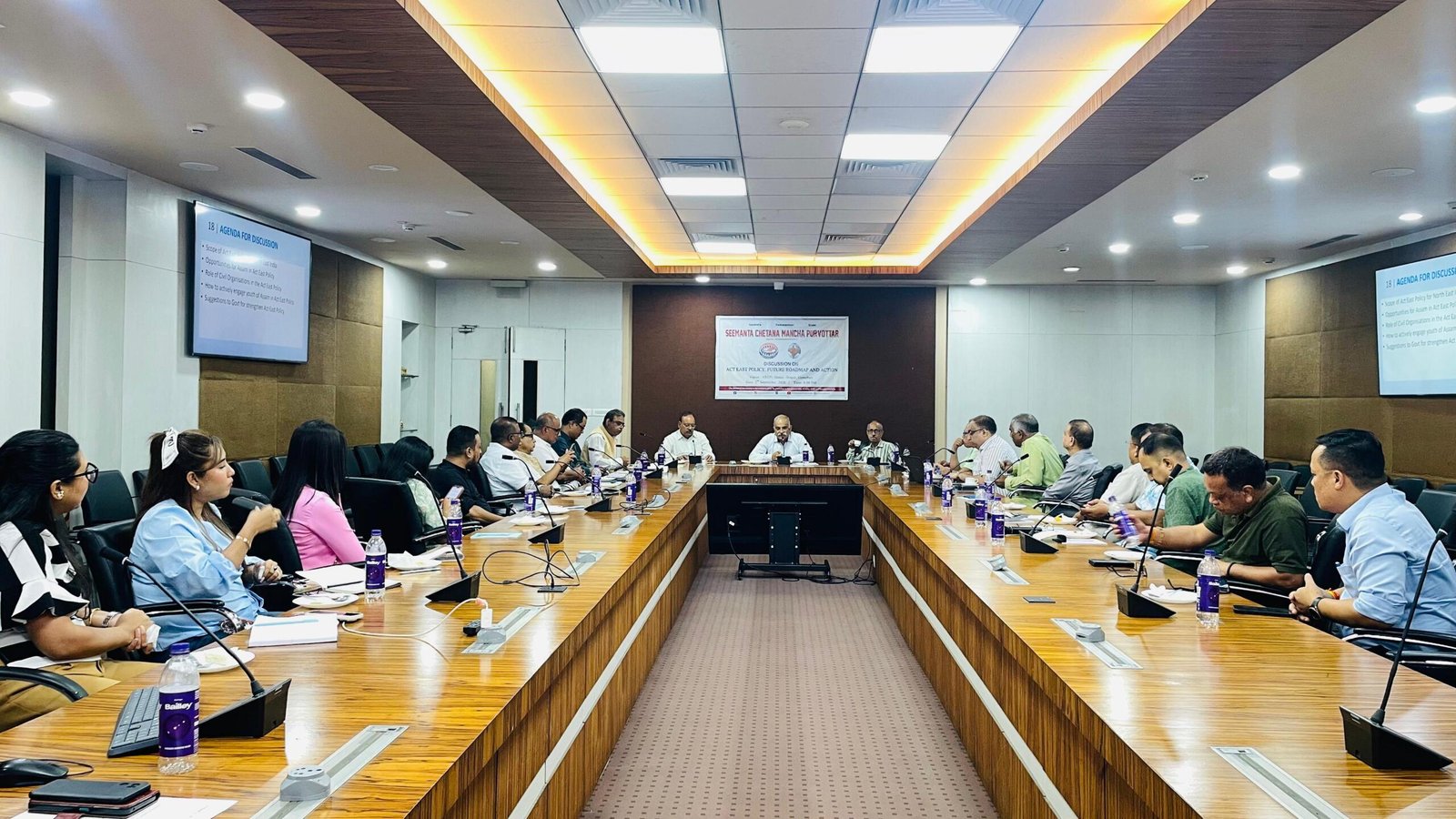
Guwahati: Citizens, entrepreneurs, educational institutions, youth organisations, civil society and the media must play an active role in taking forward India’s Act East Policy, Lieutenant General (Retd.) Rana Pratap Kalita, former General Officer Commanding-in-Chief of the Eastern Command, said at a brainstorming session held here on Wednesday.
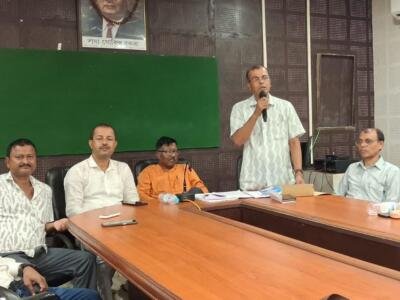
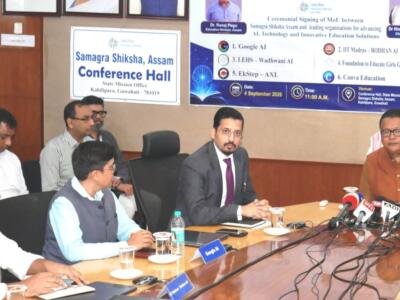
The session, organised by Seemanta Chetna Mancha Purvottar on the theme “Act East Policy: The Role of Citizens and the Way Forward”, brought together former military and police officials, policymakers, development professionals, media representatives and civil society members to discuss ways to strengthen the Northeast’s role in India’s engagement with Southeast and East Asia.
Lt Gen Kalita, who chaired the session, stressed the need to move beyond policy announcements and create a clear mechanism for implementation. He suggested that the Government of India consider setting up a dedicated Special Purpose Vehicle (SPV) for the Act East Policy, involving relevant ministries, state governments, security and border-management agencies, infrastructure institutions and economic and trade bodies.
He said the major objectives of the Act East Policy should be converted into specific projects with identified implementing agencies, clear funding arrangements and fixed timelines. Regular monitoring against measurable targets, he added, would help ensure that projects do not remain stuck at the planning or approval stage.
The discussions underlined that the Northeast must strengthen its own infrastructure and economic capacity to benefit from greater engagement with Southeast Asia.
Parth P. Das, Advisor, Tourism, Government of Assam, said the political and security situation in Myanmar remains a major challenge. However, he stressed that the Northeast cannot wait indefinitely for conditions across the border to improve.
He called for greater investment in infrastructure, human resources, skills and economic capacity so that Assam and the wider Northeast are ready to take advantage of cross-border opportunities whenever conditions permit.
Participants also called for an integrated approach to connectivity, commerce, capacity building and cultural linkages. Road, rail, inland waterways, aviation and digital connectivity were identified as key areas requiring sustained investment.
The meeting also discussed the need for better logistics, tourism infrastructure, entrepreneurship and institutional coordination.
Skill mapping across the Northeast emerged as an important proposal. Participants suggested identifying existing and emerging skills in areas such as tourism and hospitality, logistics, healthcare, technology, handicrafts, food processing, agriculture, construction and services.
Such mapping, they said, could help match local skills with future market requirements and create more employment and entrepreneurship opportunities for young people.
The participants also discussed the historical and cultural links between the Northeast and the wider Indo-China region.
They noted that the eastern frontier had historically been a zone of trade, movement and cultural exchange rather than merely a political boundary. This history, they said, should be considered while shaping the region’s future role under the Act East Policy.
Speaking about the role of young people and the media, young media spokesperson Debojit Goswamy said the Look East Policy, launched in 1991, was transformed into the Act East Policy in 2014, but implementation now needs to become more visible and measurable.
He called for greater transparency in monitoring projects and stronger participation of local stakeholders in deciding development priorities.
The session identified last-mile connectivity, border-area development, logistics, tourism, skill development, entrepreneurship, education, cultural diplomacy, trade facilitation and digital connectivity as key areas requiring sustained attention.
Participants stressed that the Northeast should not be viewed only as a geographical gateway to Southeast Asia. Instead, they argued, the region should be developed as an active economic and cultural bridge between India and its eastern neighbourhood.
The programme was coordinated by Pradeep Kumar, IPS (Retd.), former DGP (HG&CD), Assam, and supported by Pallab Bhattacharya, IPS (Retd.), former DGP (SB), Assam.
Former Deputy Speaker of the Assam Legislative Assembly Numal Momin, Manoranjan Das, Deputy General Manager, and representatives of various institutions, civil society and the media also participated.
Pradeepan, National Convener of Seemanta Chetna Mancha Purvottar, said the organisation would continue to encourage public participation and constructive dialogue on the strategic and developmental future of Northeast India.
The programme concluded with a vote of thanks by Sanjay Aditya Singh.
The deliberations ended with a broad consensus that the success of the Act East Policy will depend not only on government decisions and infrastructure but also on the preparedness, participation and enterprise of the people of Northeast India.