



The discussions surrounding the Sixth Schedule in Assam are not merely administrative adjustments; they cut to the very core of identity, rights, and political representation for numerous communities. It’s a complex tapestry woven with threads of history, culture, and economic aspirations, and one that often leaves a lingering unease among various stakeholders.
At the heart of the matter is the demand for Scheduled Tribe (ST) status for six communities: the Ahom, Chutia, Moran, Matak, Koch-Rajbongshi, and Tea Tribes. These communities argue that they are indigenous to Assam, have distinct cultural identities, and face socio-economic challenges that warrant constitutional protection and benefits afforded to STs. Granting ST status would open doors to reservations in education, employment, and political representation, significantly impacting their future trajectory.
However, this aspiration is met with considerable apprehension from existing tribal communities already listed under the Sixth Schedule. Groups like the Bodos, Mishings, Karbis, and Dimasas fear that an expansion of the ST list would dilute their existing share of reservations and resources. They express concerns that their unique cultural heritage and traditional land rights, meticulously protected by the Sixth Schedule, could be jeopardized if a larger, more diverse group enters the same protective framework. This tension highlights a critical dilemma: how to achieve inclusive justice without inadvertently disadvantaging communities already fighting for their own survival and recognition.
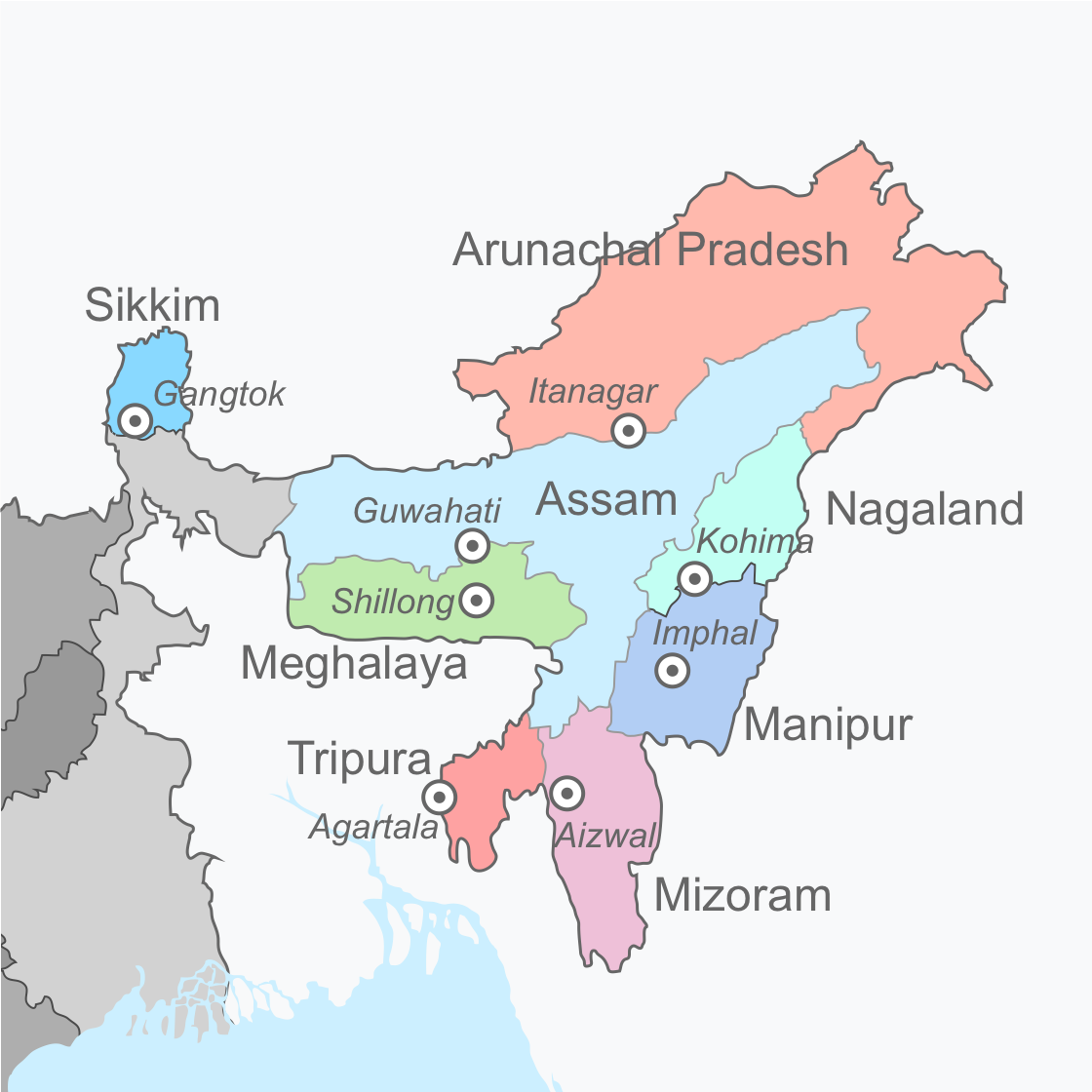
Furthermore, the demand extends to the inclusion of autonomous councils like the Rabha Hasong Autonomous Council (RHAC) under the Sixth Schedule. The Sixth Schedule provides for the administration of tribal areas in Assam, Meghalaya, Tripura, and Mizoram, granting significant legislative, executive, and judicial powers to autonomous district councils (ADCs) and regional councils. Bringing more councils under this schedule would grant them greater self-governance, control over land, forests, and cultural practices, and increased financial autonomy. This move is seen by proponents as a way to empower local communities and preserve their unique way of life.
The government’s approach to these demands is often viewed with a mix of hope and suspicion. While there is an acknowledgement of the historical grievances and developmental disparities faced by these communities, any decisive action is fraught with political implications. Balancing the aspirations of the “new” claimants with the anxieties of the “old” beneficiaries requires a nuanced and consultative process. The challenge lies in drafting a framework that not only broadens the scope of benefits but also strengthens the social fabric, rather than creating new divisions.
The “lingering unease” stems from several factors:
- Fear of Dilution: Existing STs worry about their share of resources and political power being reduced.
- Identity Politics: The process inevitably becomes entangled with electoral calculations and regional rivalries.
- Defining Indigeneity: The very definition of “tribal” and “indigenous” becomes a point of contention when considering communities that have assimilated to varying degrees over centuries.
- Consultation Gaps: Perceived lack of genuine consultation with all stakeholders can fuel distrust and opposition.
Ultimately, the issue of identity and the Sixth Schedule in Assam is a delicate tightrope walk. It requires political will, genuine dialogue, and a comprehensive understanding of the socio-economic and cultural landscape of each community. The goal should be to forge a path towards equitable development and self-determination for all, without undermining the hard-won rights and protections of any group.